Interactive Archive
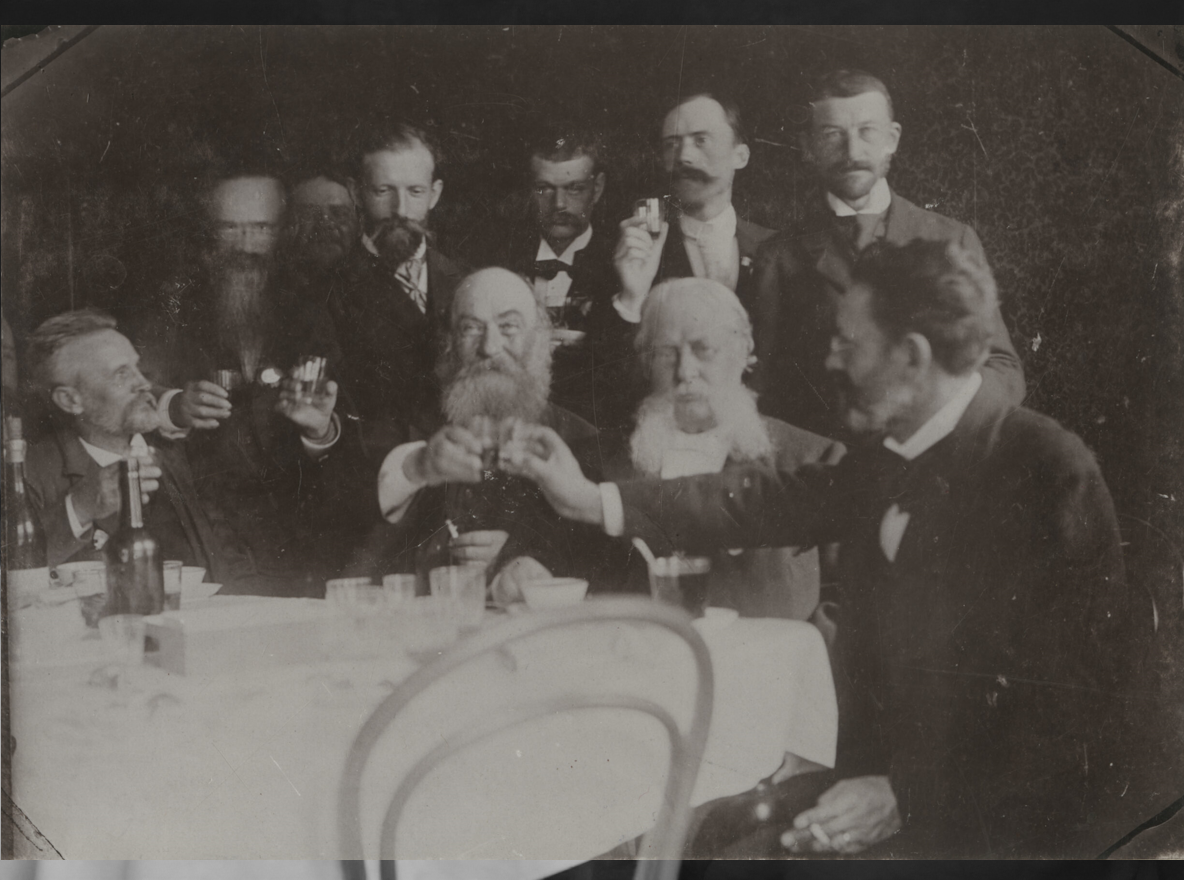
Unrestored historical photograph from the VII International Geological Congress, St Petersburg, 1897

The next-generation platform for archive management and historical research

Features

AI research assistant

The key feature of the system is a conversational AI research assistant that lets users ask natural-language questions by voice or text, and rapidly discover and interpret information across entire collections. It provides accurate, citation-supported answers, drawing both on the archival material itself and on a curated database of information about historical people, places, and events. This improves the factual accuracy and consistency of its answers. The experience is personalised to each user’s background, abilities, and goals, enabling faster discovery and deeper insight. Research that once took days can now be completed in minutes.

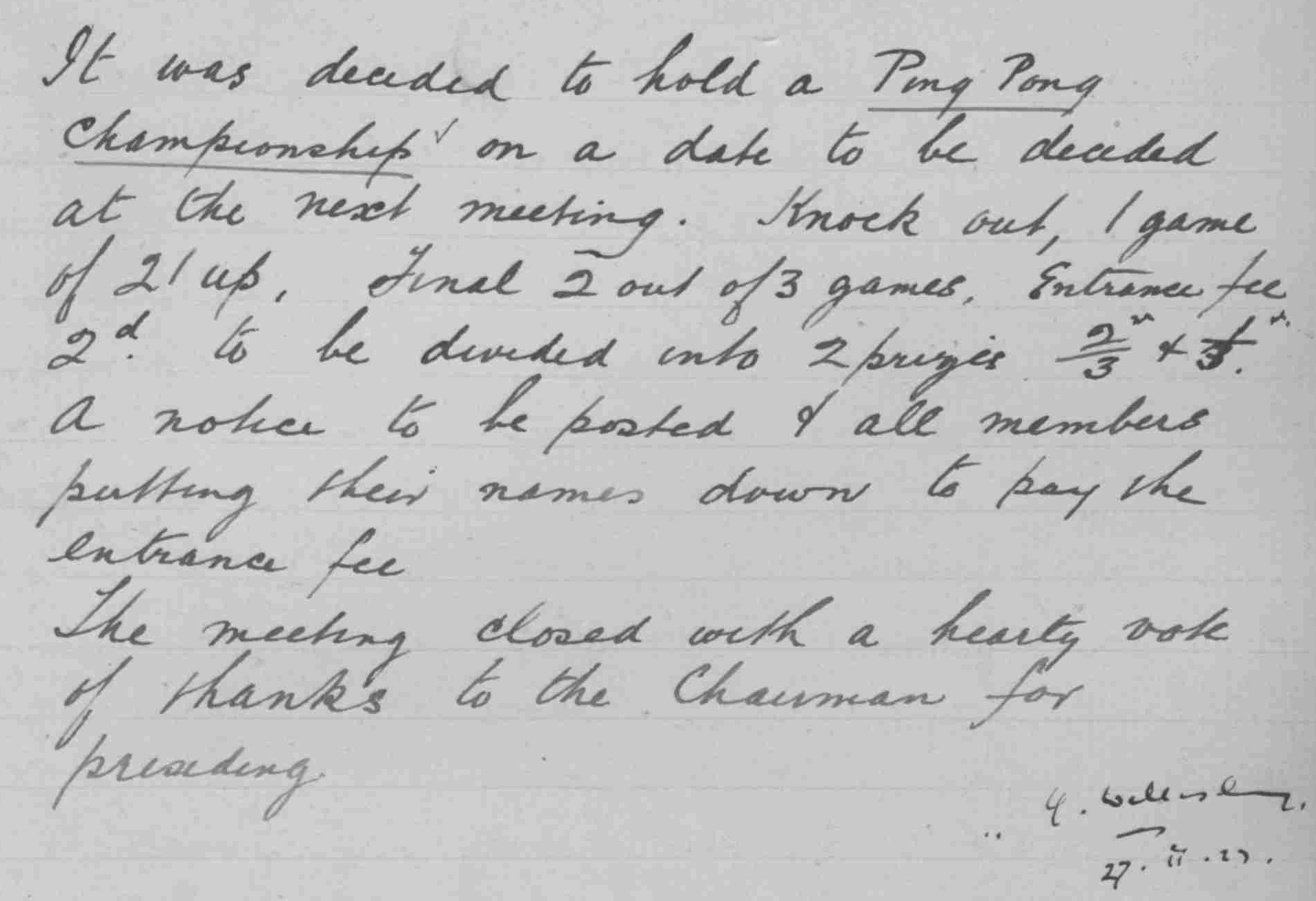
Illustration: AI research assistant

High-quality transcriptions

The system generates accurate, readable transcriptions from newspapers, journals, manuscripts, and other types of documents, regardless of language. State-of-the-art, content-aware OCR ensures high transcription accuracy even with poor-quality source material, resulting in text which is clean, searchable, and machine-usable.

Illustration: High-quality transcriptions

Image restoration

Built-in AI image restoration tools enhance historical photographs by reducing noise, improving contrast, and bringing out lost detail, whilst black and white images can be automatically colourised. Faded or damaged images become clearer and easier to interpret, improving both research value and public engagement. Institutions can present digitised collections in a form that is visually compelling and really brings them to life.

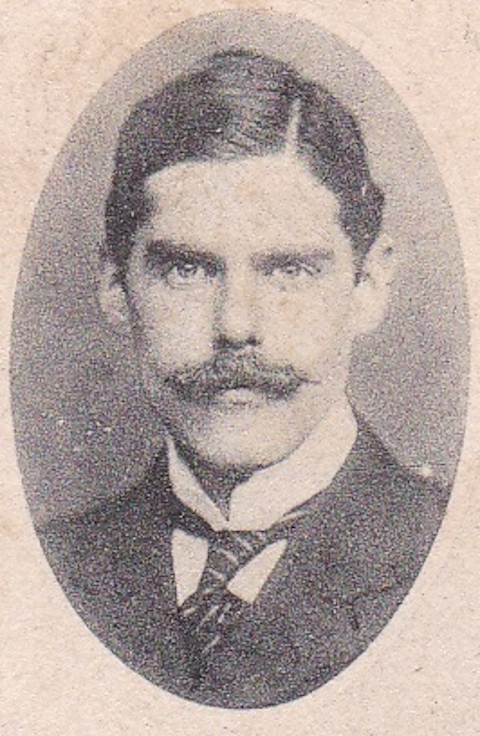
Restored image of Charles Lyell
Unrestored image of Charles Lyell

AI-generated audio

Any document in your collection can be transformed into natural, spoken audio. This improves accessibility for visually-impaired users, supports language learning, and offers an engaging new way to experience historical materials. Institutions can obtain high quality audio versions of their archived material without the need for expensive manual recording or studio work.

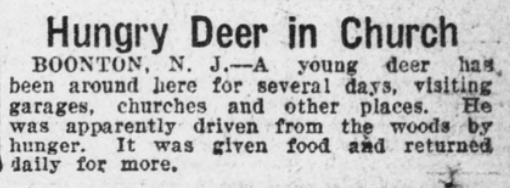
Newspaper clipping: A hungry deer in church

Contact us